



Throughout human history, the need to measure time has driven the evolution of watch technology. From sundials to smartwatches, this journey has shaped not only our sense of time but also our lifestyle and technological progress.
Ancient Era: Time by Shadows
The first timekeeping devices were sundials, used in ancient Egypt. These primitive tools measured time based on the length and position of shadows.
Mechanical Era: The Age of Gears
During the Middle Ages, mechanical clocks appeared, powered by weights and gears. These were often installed in towers or churches, offering a more accurate way of keeping time.
Quartz and Digital Watches: The Modern Revolution
In the 20th century, quartz crystal-powered watches emerged, followed by digital models that redefined our relationship with time. Precision and design came to the forefront.
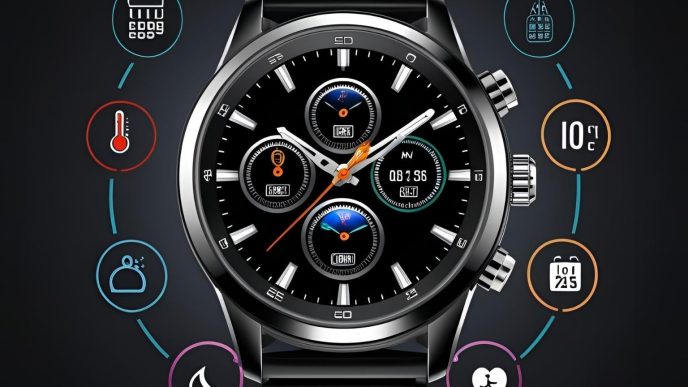
Smartwatches: Beyond Just Time
Today’s watches do more than tell time—they monitor health, facilitate communication, and help manage daily life. Smartwatches have become personal digital assistants.
The evolution of watches mirrors the advancement of technology and continues to influence how we live and perceive time.